Cardiovascular diseases world’s number one killer disease: Dr Sidharth Garg
During a press conference here on Saturday, a team of doctors from Park Hospital, Mohali including Dr Sidharth Garg, director-CTVS, Dr Arjun Joshi, associate director-cardiac anesthesia, Dr Sankalp Sharma, associate director-interventional cardiology and Dr Sachin Bansal, senior consultant interventional cardiology highlighted the cardiac care management.
 City Air News
Sep 26, 2026 09:42
0
City Air News
Sep 26, 2026 09:42
0
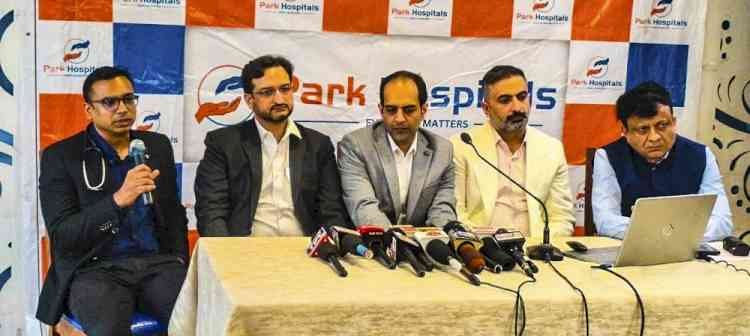
Chandigarh, September 26, 2026: During a press conference here on Saturday, a team of doctors from Park Hospital, Mohali including Dr Sidharth Garg, director-CTVS, Dr Arjun Joshi, associate director-cardiac anesthesia, Dr Sankalp Sharma, associate director-interventional cardiology and Dr Sachin Bansal, senior consultant interventional cardiology highlighted the cardiac care management.
Dr Sidarth Garg said, “This year's World Heart Day theme-‘Don’t Miss a Beat’- highlights the importance of recognizing warning signs and symptoms of cardiovascular disease and seeking timely medical attention. The campaign focuses on helping people identify symptoms that may otherwise be overlooked.”
During the occasion, Park Hospital Mohali also announced the launch of a dedicated Heart Valve Clinic. The clinic will have free screen ECHO and INR testing, which will be available on every Saturday to diagnose valve patients at early stage and to offer the best treatment option. The Park Hospital has already performed 100 successful valve surgeries in the last 6 months.
Dr Sankalp Sharma said,” In India, heart ailments have replaced communicable diseases as the biggest killer. According to recent data, approximately 30 percent of the urban population and 15 percent of the population living in rural areas suffer from high blood pressure and heart attacks.
As the risk factors of heart ailments increase, so does the mortality rate, said Dr Sachin Bansal.
Dr Arjun Joshi said, "Patients with type 2 diabetes have 2 -3 times higher risk of heart problems as compared to the general population. There are currently 100 million people with diabetes in India and this number is expected to increase to 135 million by 2035.”
The current scenario demands an immediate emphasis be laid on preventive healthcare. This involves raising awareness about the disease and its risk factors. Conducting public education programs, workshops and counseling sessions for creating awareness at a mass level, said Dr Sidharth.