BMC polls: Thackeray cousins focus on shakha-level visits to encash 'sons of the soil' plank
Uddhav and Raj Thackeray's shift from grand rallies to shakha-level visits represents a tactical recalibration designed to exploit the Shiv Sena’s traditional "grassroots" advantage over the resources and network of the BJP-Sena (Shinde) alliance.
 IANS
Jan 7, 2026 02:32
0
IANS
Jan 7, 2026 02:32
0
Sanjay Jog
Mumbai, Jan 7 (IANS) Uddhav and Raj Thackeray's shift from grand rallies to shakha-level visits represents a tactical recalibration designed to exploit the Shiv Sena’s traditional "grassroots" advantage over the resources and network of the BJP-Sena (Shinde) alliance.
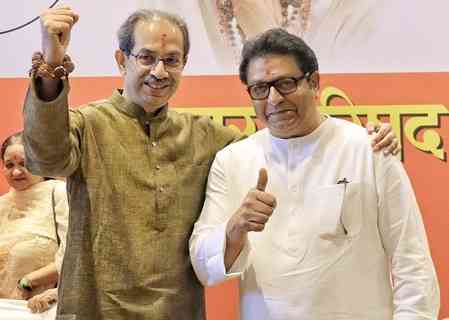
Both cousins, who have tied up to checkmate the mighty BJP-Shiv Sena alliance, are hoping this strategy will work in their favour in the high-stakes BMC elections.
Interestingly, Shiv Sena(UBT) chief Uddhav Thackeray’s son Aaditya Thackeray and Maharashtra Navnirman Sena founder Raj Thackeray’s son Amit Thackeray are also stepping up their outreach through shakha-level visits. Thackeray cousins are expected to hold only one grand rally on January 11 at Shivaji Park while focusing on shakha-level visits.
The shakha (local party office) has historically been the heartbeat of the Shiv Sena. By visiting individual shakhas, the Thackeray cousins are moving the battleground away from media-driven "optics" (where the BJP excels) to personal contact. Unlike a rally where messages are broad, shakha visits allow the leaders to address ward-specific grievances, such as local water issues, redevelopment delays, or neighbourhood security. For a Marathi voter, the sight of a Thackeray entering their local shakha carries deep sentimental value, reinforcing the "sons of the soil" narrative that the Shinde faction is trying to claim.
After the party split, the biggest challenge for the UBT and MNS has been keeping their cadres' morale high against a well-funded Mahayuti alliance. A common criticism of Uddhav Thackeray in the past was his perceived lack of accessibility. Visiting shakhas directly counters this; he is making all efforts to appear as a leader on the ground. These visits serve as review meetings. Leaders can identify which local workers are active and which are wavering, ensuring that the booth-level management -- the most critical part of a municipal election -- is robust. The BJP-Shinde Sena alliance possesses superior financial and state machinery. Big rallies cost crores and are vulnerable to being out-staged by the ruling alliance’s even bigger events.
According to Shiv Sena(UBT) and MNS insiders, Shakha visits are low-cost but high-impact. They allow the Thackerays to sustain a long-term campaign without burning through resources. “While news channels may focus on a massive BJP rally, the Thackerays are under the radar, working the street corners and housing societies, making it harder for opponents to gauge their actual momentum,” said a senior Shiv Sena(UBT) leader who has been accompanying Uddhav Thackeray during his shakha visits.
Since Uddhav and Raj have recently allied to protect the Marathi identity, joint or coordinated shakha visits amplify the Thackeray presence in every corner of Mumbai. By appearing at the local level together, they send a clear signal to voters that the family split is a thing of the past and they are serious about reclaiming their home turf (the BMC). This is important when Shiv Sena chief leader and Deputy Chief Minister Eknath Shinde has been attempting to win over individual shakha leaders. By physically marking their territory at these offices, the Thackerays, on the other hand, are effectively locking down their remaining strongholds and preventing further defections.
Political observers said that the decision to pivot to shakhas was made to reach out to the maximum number of people instead of investing energy in rallies. By focusing on one mega-rally (likely at Shivaji Park) and hundreds of small meetings, they achieve both: a show of strength and a deep, ward-by-ward penetration that is difficult for a centralised campaign to counter.
According to analysts, this strategy is an attempt to decentralise the campaign. By returning to the mohalla-level politics that the Shiv Sena founder Bal Thackeray used to build the party, they are gambling that local loyalty and personal presence will trump the BJP's national narrative and the Shinde faction's administrative might.
(Sanjay Jog can be contacted at [email protected])
--IANS
sj/dpb