Bengal: Mamata Banerjee faces blame for Trinamool’s rise and fall
The party that Mamata Banerjee built looked good as long as it had a goal to oust the Left Front government from power; once achieved, it appeared set to usher in good governance and able administration.
 IANS
Sep 19, 2026 11:17
0
IANS
Sep 19, 2026 11:17
0
Jayanta Bhattacharya
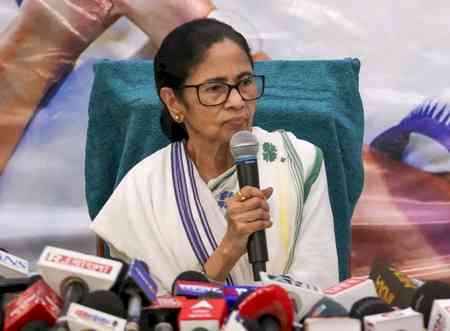
New Delhi, Sep 19 (IANS) The party that Mamata Banerjee built looked good as long as it had a goal to oust the Left Front government from power; once achieved, it appeared set to usher in good governance and able administration.
With time, however, it seemed either the people of West Bengal had expectations beyond any administration’s means or the latter failed to deliver what was really needed. A fresh coat of white-and-blue spruced up the outside but failed to brighten the interior; welfare schemes and doles, initially welcomed, soon became tools of appeasement.
Then bitter rivalry among ranks, corruption, and utter chaos within finally tore the party apart. There were reports, but it was the Trinamool Congress supremo herself who publicly chided partymen on “cut money”, directing them to return it. The term was used to refer to the sum extorted from beneficiaries of welfare schemes or from people constructing or repairing houses, availing services, a “cut” in every payment for any sundry work that involved a third party or goods.
The Opposition, especially the Bharatiya Janata Party (BJP), used to raise this issue during campaigns but failed to get the Trinamool behemoth to respond. In June 2019, Mamata herself addressed the rot while speaking to civic body leaders in Kolkata, alleging that some of them even took a “cut” of Rs 200 from the Rs 2,000 her government allocated for people with low incomes to cremate family members. The statement was seen as an effort to ease possible repercussions on the party’s prospects before the 2020 civic body polls and 2021 Assembly elections.
Additionally, there were allegations of smuggling, from cattle to coal, across the Bangladesh border. Reports of large-scale bribery in teacher recruitment followed this. In all these misdeeds, claims pointed to the involvement of several top leaders.
Meanwhile, the division in ranks travelled to the top. It split wide open with reports of camps owing allegiance to either Mamata or her nephew and party General Secretary Abhishek Banerjee. On one occasion, a senior leader of the Trinamool Congress, then considered close to the younger Banerjee, stressed in private that the organisation need not get involved in matters seen as government failure.
It was the time when the camps put up posters and raised slogans for Abhishek as their “general” or organisational leader. Before the 2024 Lok Sabha election, reports suggested Abhishek insisted on benching “senior” leaders like Sougata Ray, Sudip Bandyopadhyay, Kalyan Banerjee, among others. These “seniors”, being Mamata’s colleagues since, and sometimes before, her early Trinamool days, were her close aides, and she is said to have put her foot down.
The younger Banerjee’s actions were largely attributed to decisions by a professional group of advisors from a well-known political consultancy that entered West Bengal when Prashant Kishor was at its helm. This organisation, IPAC, was another bone of contention, with many leaders in Kolkata and other districts complaining about its overindulgence. Several of them were reportedly annoyed with young recruits, considering them “outsiders” in West Bengal’s culture and politics.
Abhishek, however, prevailed and the voices of complaint turned into murmurs. Still, they did not die, as was evident after the party’s disastrous result at the hustings in this year’s Assembly election.
Mamata, now 71, may have been preparing to hand over the reins to her nephew, as many suggest. Still, the sudden and significant turn of events is seen as having overwhelmed the fiery and disruptive leader of yesteryear. As she has said herself, the Mamata in governance perhaps moved somewhat away from the organisation and failed to coordinate among the ranks. A perception developed that she promised, but failed to deliver.
The leader bears responsibility for the outcome, and Didi now stands in the dock. It is often attributed to Brazilian author Paulo Coelho: “You drown not by falling into a river, but by staying submerged in it.”
--IANS
jb/dan